Best Paint for Bathrooms and Kitchens: A Decorator's Guide to Steam-Resistant Paint
Bathrooms and kitchens need special paint. Our guide explains the best steam-resistant, mould-resistant paints and how to apply them for a finish that lasts.
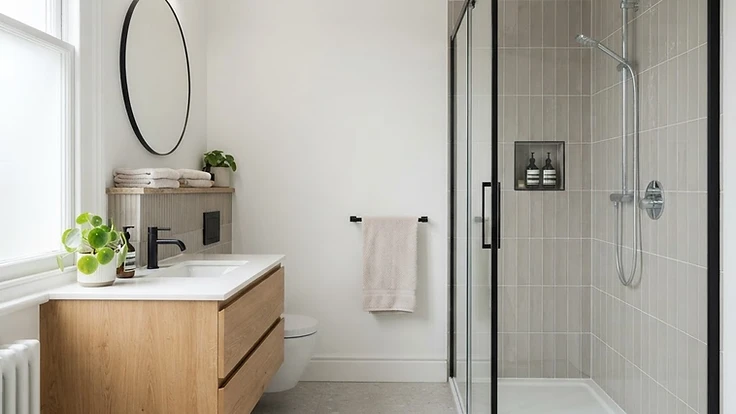
Why Bathrooms and Kitchens Need Special Paint
Bathrooms and kitchens are the harshest environments in any home. Steam, temperature swings, cooking grease, and constant moisture attack ordinary emulsion until it peels, stains, and grows mould. Using standard living-room paint in these spaces is the most common cause of premature paint failure — and the most common source of call-backs for decorators.
Here's how to choose and apply the right paint for bathrooms and kitchens.
What Makes Bathroom and Kitchen Paint Different
Specialist bathroom and kitchen paints are formulated to cope with the conditions ordinary paint can't handle:
- Moisture resistance: The paint film resists water and steam without breaking down
- Mould and mildew resistance: Fungicides in the paint inhibit fungal growth
- Stain resistance: Grease and water marks wipe off without damaging the finish
- Scrub resistance: The paint can be cleaned regularly without wearing through
- Flexibility: The paint copes with the expansion and contraction caused by temperature changes
Choosing Paint for Bathrooms
Bathrooms face constant steam, splashing, and high humidity. The key challenges are mould (especially in poorly ventilated bathrooms) and paint breakdown around showers and baths.
Walls
- Kitchen and bathroom paint: The standard choice — moisture and mould resistant, available in matt, eggshell, and soft sheen finishes
- Eggshell or satin finish: Better for high-moisture areas than matt — the slight sheen makes it more wipeable and moisture-resistant
- Tiles and splashback areas: Consider a tile paint or a specialist shower paint for areas in direct water contact
Ceiling
The ceiling takes the brunt of rising steam and is the most common place for mould to appear. Use a specialist kitchen and bathroom ceiling paint — these are formulated to resist moisture and often have mould inhibitors. A matt finish is fine for ceilings, but make sure it's specifically rated for bathrooms.
Around the Bath and Shower
Areas in direct water contact need more than standard bathroom paint. Options:
- Tile paint: For painting over existing tiles (requires careful preparation)
- Specialist shower paint: Formulated for direct water contact
- Gloss or satin trim: For woodwork — more moisture-resistant than water-based alternatives
Choosing Paint for Kitchens
Kitchens face cooking grease, steam, food splashes, and frequent cleaning. The walls behind the hob and sink are particularly demanding.
Walls
- Kitchen paint: Grease-resistant and wipeable — essential behind the hob
- Eggshell or satin: More wipeable than matt, better for areas that need regular cleaning
- Washable matt: If you want a matt finish, choose a specifically washable formulation — standard matt will mark when wiped
Ceiling
Kitchen ceilings collect grease and steam. Use a kitchen-rated ceiling paint that can be wiped without marking. A slight sheen (soft sheen or eggshell) is easier to keep clean than matt.
Woodwork
Cabinet doors, window frames, and skirting in kitchens need a tough, washable finish. Eggshell or satinwood are the standard choices — they resist grease and can be wiped down regularly.
Preparation: Even More Important in Wet Rooms
In bathrooms and kitchens, preparation isn't optional — it's the difference between a finish that lasts years and one that fails in months.
Treat Existing Mould First
Never paint over mould. The spores will grow through the new paint within weeks. Treat with a fungicidal wash or bleach solution, allow to dry, then wash with sugar soap before painting.
Address the Ventilation
If a bathroom has no extractor fan, mould will return no matter what paint you use. Recommend the client install one — or at least ensure they open a window during and after showering. Paint can resist mould, but it can't compensate for a permanently damp environment.
Repair Water Damage
If the ceiling or walls have water stains, the source of the water must be fixed before painting. Use a stain-blocking primer over the repaired area to prevent the stain bleeding through the new paint.
Prime Bare Plaster
New plaster in bathrooms needs a mist coat before painting. Use a thinned coat of the bathroom paint itself, or a specialist primer.
Application Tips for Bathrooms and Kitchens
- Ventilate during painting: Open windows and doors — the fumes from bathroom paint can be strong
- Avoid painting in high humidity: Wait until the room is dry — paint won't cure properly in steamy conditions
- Two coats minimum: Bathroom and kitchen paints often need two coats for full protection
- Allow full cure time: Don't shower or cook for 24–48 hours after painting — steam before the paint has cured will damage the finish
- Use the right roller: A medium-pile roller for walls, a small foam roller for tiles and smooth surfaces
Common Mistakes to Avoid
Using standard emulsion in a bathroom. It will peel and grow mould within months. Always use a kitchen and bathroom formulation.
Painting over mould. The mould will grow through. Treat it first, every time.
Ignoring ventilation. No paint can compensate for a permanently damp room. If there's no extractor fan, recommend one.
Showering too soon after painting. Steam before the paint has fully cured will damage the finish. Wait at least 24 hours, ideally 48.
Using matt paint behind the hob. Matt paint marks when wiped. Use eggshell or satin in areas that need regular cleaning.
Recommended Products
For specific product recommendations, check the Topdec catalog — Trade Assist's product search pulls real products and prices from topdecbrush.com, so you can quote accurately and order the right paint for every bathroom and kitchen job.
Look for products specifically labelled as "kitchen and bathroom" or "moisture-resistant" — these are formulated for the conditions and will outperform standard emulsion every time.