Common Paint Problems and How to Fix Them: A Decorator's Troubleshooting Guide
Bubbling, cracking, peeling, or patchy paint? Our decorator's troubleshooting guide diagnoses the most common paint problems and explains exactly how to fix them.
Every Decorator's Nightmare — and How to Fix It
You've finished a job, packed up your gear, and the client calls three days later: the paint is bubbling. Or cracking. Or peeling off in sheets. Paint problems are the single biggest source of call-backs and lost profit in decorating — but most are preventable if you know what causes them.
Here's a diagnostic guide to the most common paint problems, what causes them, and exactly how to fix them.
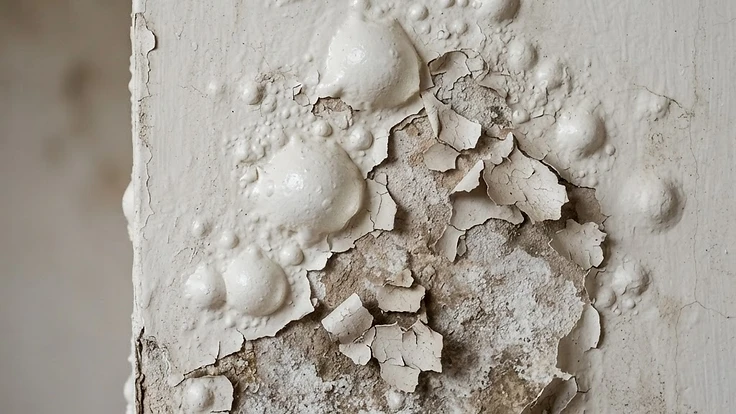
1. Paint Bubbling or Blistering
What it looks like: Bubbles or blisters in the paint film, ranging from pinhead size to large patches.
What causes it: Moisture trapped under the paint film is the most common cause. This happens when painting over damp walls, in high humidity, or when the surface wasn't properly dry. Oil-based paint over a water-based undercoat can also blister.
How to fix it:
- Scrape back to a sound surface
- Identify and fix the moisture source (leaks, condensation, rising damp)
- Allow the surface to dry fully — use a moisture meter to confirm
- Prime with a damp-tolerant primer if moisture can't be fully eliminated
- Repaint with a breathable emulsion
2. Paint Cracking or Crazing
What it looks like: Hairline cracks in the paint film, sometimes in a pattern resembling cracked mud.
What causes it: Applying paint too thickly, painting over an existing layer that wasn't fully dry, or using incompatible products (e.g. oil-based over water-based without proper priming). Ageing and temperature fluctuations also cause cracking over time.
How to fix it:
- Sand the cracked area back to a sound surface
- Fill any deep cracks with a flexible filler
- Prime with a suitable primer
- Repaint in thinner, even coats — two thin coats beat one thick one
- Allow proper drying time between coats
3. Paint Peeling or Flaking
What it looks like: Paint coming away from the surface in flakes or sheets, often revealing the substrate underneath.
What causes it: Poor surface preparation is the usual culprit — painting over chalky, dirty, or glossy surfaces without keying or priming. Moisture ingress and incompatible paint systems also cause peeling.
How to fix it:
- Remove all loose and flaking paint with a scraper or heat gun
- Sand the edges of remaining paint to blend
- Wash the surface with sugar soap and allow to dry
- Prime bare areas with an appropriate primer
- Repaint with a compatible system
4. Poor Coverage or Patchy Finish
What it looks like: The finished wall looks patchy, with visible differences in colour or sheen, or the old colour showing through.
What causes it: Insufficient coats, poor-quality paint, painting over a dark colour without primer, or spreading the paint too thin. Painting in direct sunlight can also cause paint to dry too fast for proper coverage.
How to fix it:
- Apply an additional coat
- Use a tinted primer when covering dark colours
- Upgrade to a higher-quality paint with better pigment density
- Avoid painting in direct sunlight — work in sequence around the room
- Load the roller properly and don't over-stretch the paint
5. Mould or Mildew on Painted Surfaces
What it looks like: Black, green, or brown spots or patches on the paint surface, usually in corners, behind furniture, or in bathrooms and kitchens.
What causes it: Fungal growth due to persistent moisture and poor ventilation. Painting over existing mould without treating it will trap the spores and they'll grow through the new paint.
How to fix it:
- Treat the mould with a fungicidal wash or bleach solution
- Allow to dry, then wash with sugar soap
- Improve ventilation in the room
- Apply a mould-resistant primer
- Repaint with a mould-resistant or kitchen/bathroom paint
6. Brush Marks or Roller Streaks
What it looks like: Visible lines or texture in the finish, particularly with gloss and satinwood.
What causes it: Using the wrong brush or roller, paint that's too thick, working in hot conditions that cause the paint to skin over, or overworking the paint as it dries.
How to fix it:
- Use a quality synthetic brush for water-based paints, natural bristle for oil-based
- Choose the right roller nap for the surface (short nap for smooth, longer for textured)
- Thin paint slightly if needed (follow manufacturer's guidance)
- Lay off in one direction without going back over drying areas
- Work in cooler conditions where possible
Prevention Is Better Than Cure
Almost every paint problem traces back to one of three things: poor preparation, the wrong product for the surface, or painting in unsuitable conditions. Get those three right and you'll eliminate 90% of call-backs.
When you do hit a problem you can't diagnose, Trade Assist's Paint Problem tool lets you describe the symptoms and upload photos — and gets you a professional recommendation in seconds, so you can fix it right the first time.